Uganda’s relationship with clothing tells the story of a nation shaped by dozens of ethnic groups, centuries of trade, colonial history, and a fast-growing contemporary fashion scene. From the flowing white robes worn by men at weddings to the vibrant, sculpted dresses that mark a woman’s most important ceremonies, what Ugandans wear has always carried meaning far beyond fabric. Today, traditional attire lives comfortably alongside global streetwear, tailored suits, and an emerging generation of homegrown designers, making Uganda’s fashion identity a genuinely layered one.
The Kanzu: Uganda’s National Dress for Men
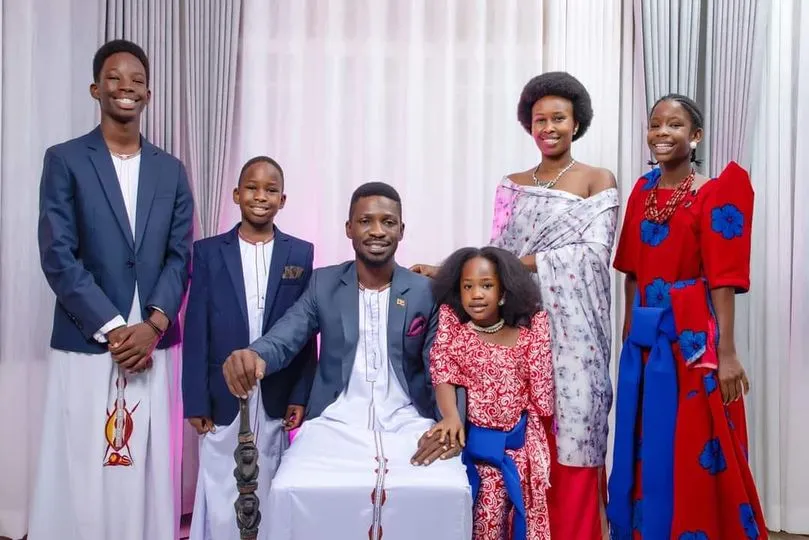
No garment is more instantly recognizable as Ugandan menswear than the kanzu a long, flowing robe, usually white or cream, that reaches the ankles. Though its roots trace back to Arab traders who brought the garment to the East African coast, the Buganda Kingdom embraced and reshaped the kanzu, associating it with royalty, dignity, and respect.
A few things to know about the kanzu:
- It’s typically made from cotton, silk, poplin, or linen, with linen versions considered the most prestigious.
- It’s usually worn with trousers underneath and a matching coat or blazer over the top, sometimes finished with a kofia (traditional cap).
- Etiquette matters: a man wearing a kanzu should not lift or hold the hem to keep it from touching the ground; it should simply flow.
- While closely tied to the Baganda, the kanzu has crossed ethnic lines and is now worn by men across almost all of Uganda’s cultural communities during weddings, introductions (kwanjula), religious ceremonies, and other formal occasions.
The Gomesi: Elegance and Identity for Women
If the kanzu is the men’s signature garment, the gomesi is its feminine counterpart and arguably Uganda’s most iconic piece of clothing altogether, since it is native to the country rather than adopted from elsewhere.
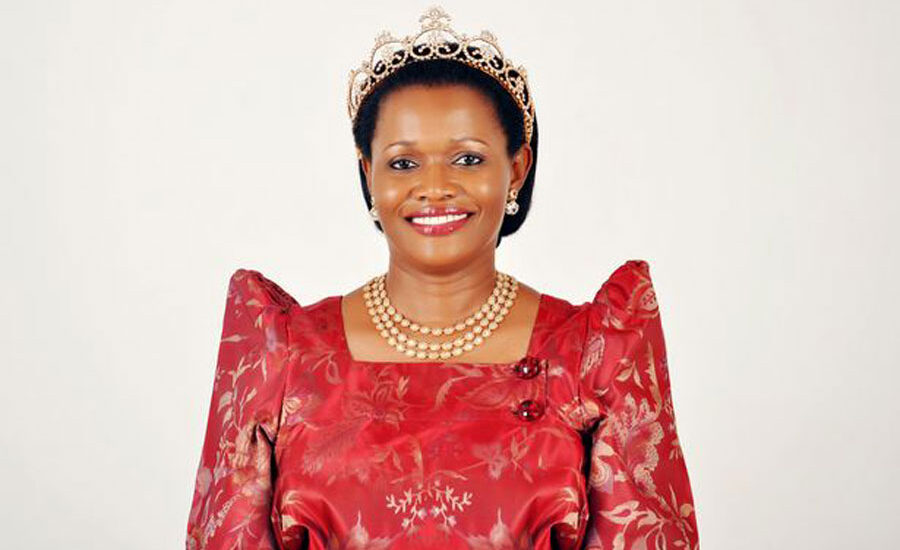
The gomesi is a floor-length dress with a square neckline, short puffed sleeves, and distinctive pointed shoulder pads that give it a striking silhouette. A sash is tied at the waist, and the dress is designed to be bold and structured rather than form-fitting.
Its origin is more recent and more specific than many people expect. The garment’s standard form traces back to the 1940s, when it was designed as a school uniform at Gayaza High School after missionaries felt existing attire was too revealing; the school commissioned a Goan tailor named Fernando Gomes to design a new dress, which then took its name from him.
Interestingly, some accounts trace an earlier version of women’s dress to bark cloth garments worn before the arrival of missionaries and Indian traders, with today’s gomesi evolving through silk and cotton versions over the decades.
The gomesi is not one uniform style across the country it varies by region:
- Buganda gomesi – known for its flowing shape and intricate embroidery.
- Ankole gomesi – often features bold geometric patterns and vivid colors.
- Busoga gomesi – recognized for delicate lacework and softer, more feminine detailing.
It is most commonly worn at weddings, introductions, church services, and major cultural or political ceremonies, and remains a powerful symbol of femininity, maturity, and cultural pride.
Beyond the Gomesi: Other Traditional Styles
Uganda is home to more than 50 ethnic groups, and while the kanzu and gomesi are the most nationally recognized garments, plenty of other traditional dress traditions exist:
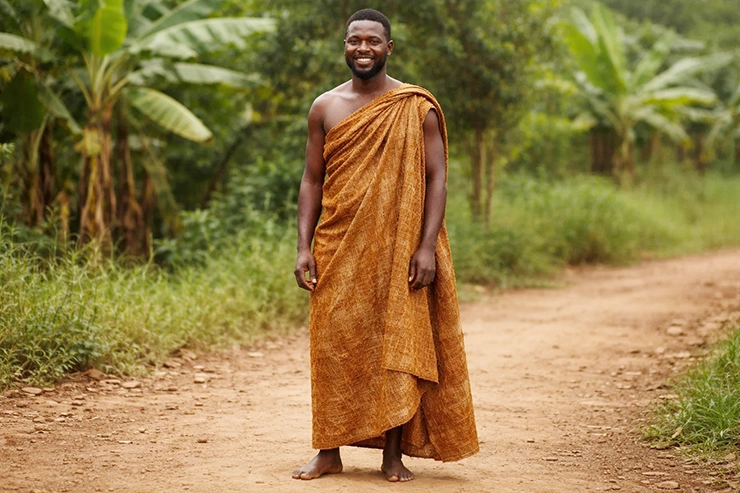
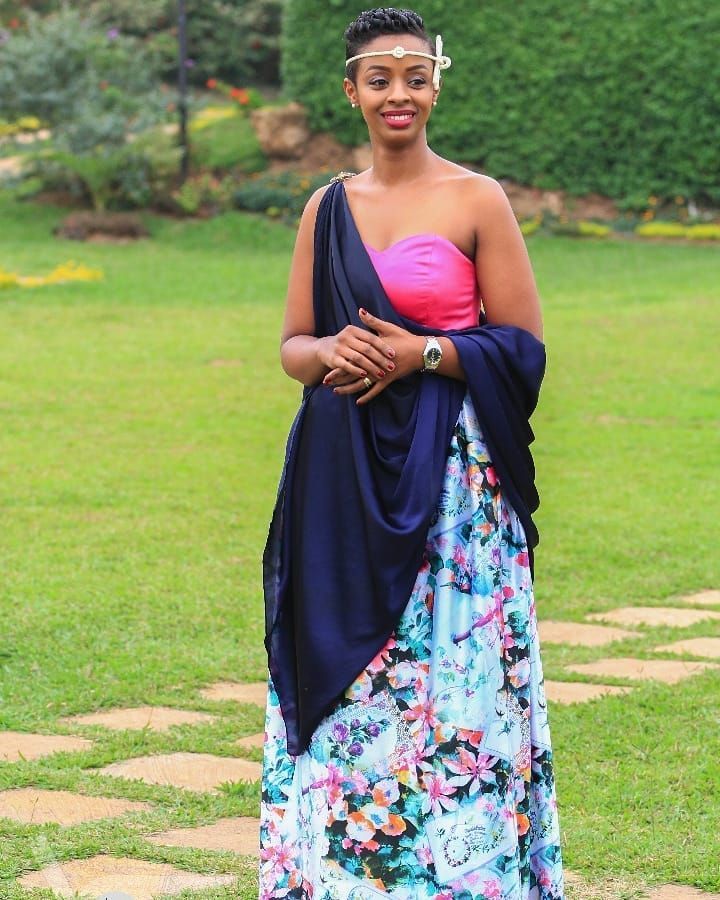
- Suuka – A wrap-style garment, popular among the Baganda, where cloth is draped over the shoulders and chest and secured with a sash.
- Omushanana – A traditional dress worn by Banyankole and Batooro women, similar in spirit to the gomesi but with a distinct sash and draping style tied to western Uganda.
- Suuti – Another regional dress style, closely related to the gomesi, worn with careful attention to modesty; the shawl is never allowed to sweep the ground, and undergarments must never show.
- Bark cloth (Olubugo) – One of Uganda’s oldest textile traditions, made from the bark of the Mutuba tree. Once used for everyday clothing and burial shrouds among the Baganda, bark cloth production is now recognized by UNESCO as an Intangible Cultural Heritage of Humanity, and the fabric has found new life in modern fashion and interior design.
Across these garments, a common thread emerges: traditional Ugandan dress is rarely just decorative. It carries strict etiquette, regional pride, and unwritten rules about how it should be worn, cared for, and respected.
Fashion Today: Tradition Meets Modernity
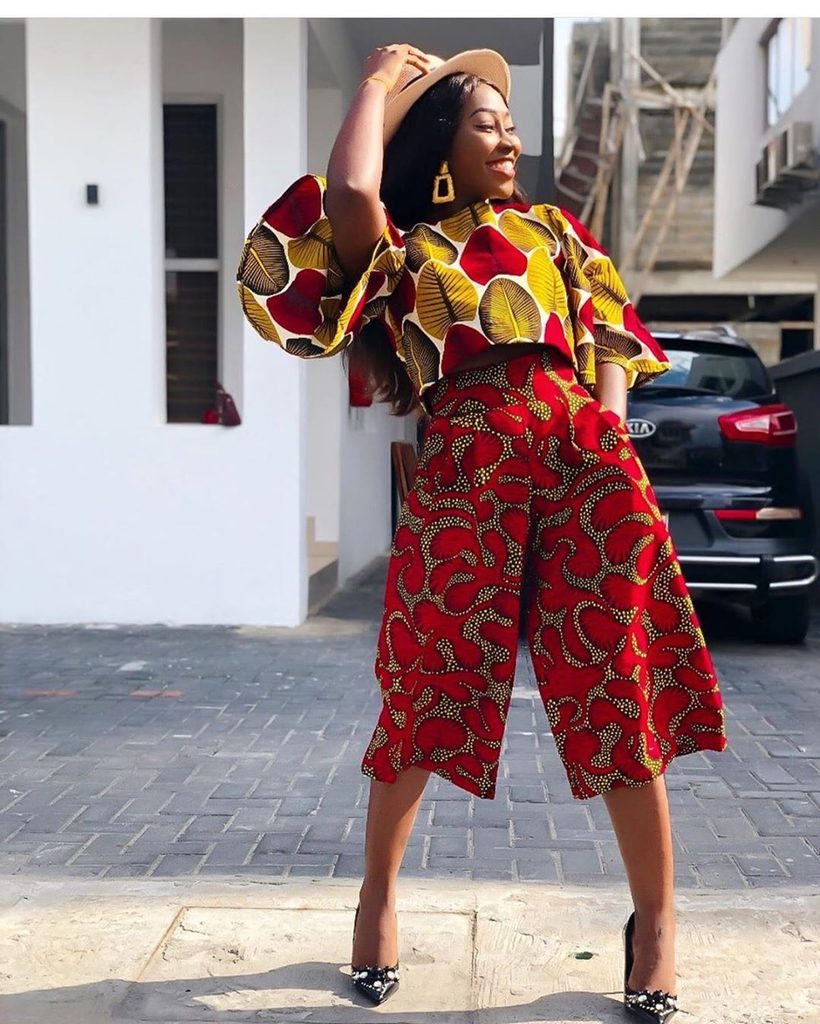
Step onto the streets of Kampala and you’ll see an entirely different visual story: one of skinny jeans, tailored office wear, ankara and kitenge prints, sneakers, and increasingly bold, globally-influenced streetwear. Western-style clothing dominates daily life in Uganda’s cities, much as it does across urban Africa.
But rather than replacing tradition, modern Ugandan fashion often folds it in:
- Designers cut contemporary dresses and suits from kitenge and ankara fabric, blending African prints with modern silhouettes.
- Bark cloth, once purely ceremonial, now appears in handbags, jackets, and accessories from designers keen to modernize a heritage material.
- Gomesi-inspired sleeves, necklines, or sashes show up in eveningwear and bridal fashion.
- Kampala’s growing fashion week circuit and a new generation of Ugandan designers are gaining regional attention, positioning the country as an emerging voice in East African fashion.
Even everyday dressing reflects this blend; it’s common to see someone in jeans and a T-shirt during the week, then in a full gomesi or kanzu for a wedding that same weekend. Clothing in Uganda isn’t simply about what’s fashionable; it’s about what the moment calls for.
A Living Wardrobe
What makes Ugandan fashion compelling isn’t just the beauty of individual garments; it’s how deliberately clothing choices communicate identity, respect, region, and occasion. The kanzu and gomesi aren’t relics; they’re living traditions that Ugandans actively choose to wear at life’s most significant moments, even as they embrace global fashion the rest of the time.
In that sense, Ugandan clothing captures something bigger about the culture itself: proudly rooted in heritage, yet completely at ease with change.